Development land search · England
The building is usually already there.Somebody has to find it.
A standing search for development land and convertible buildings in England, run to a brief you write.
Every site goes to one developer at a time. You hold it for 14 days. The campaign fee is credited in full if you buy a site we introduce.
Both tools are free, need no email address, and give you the whole result on screen.
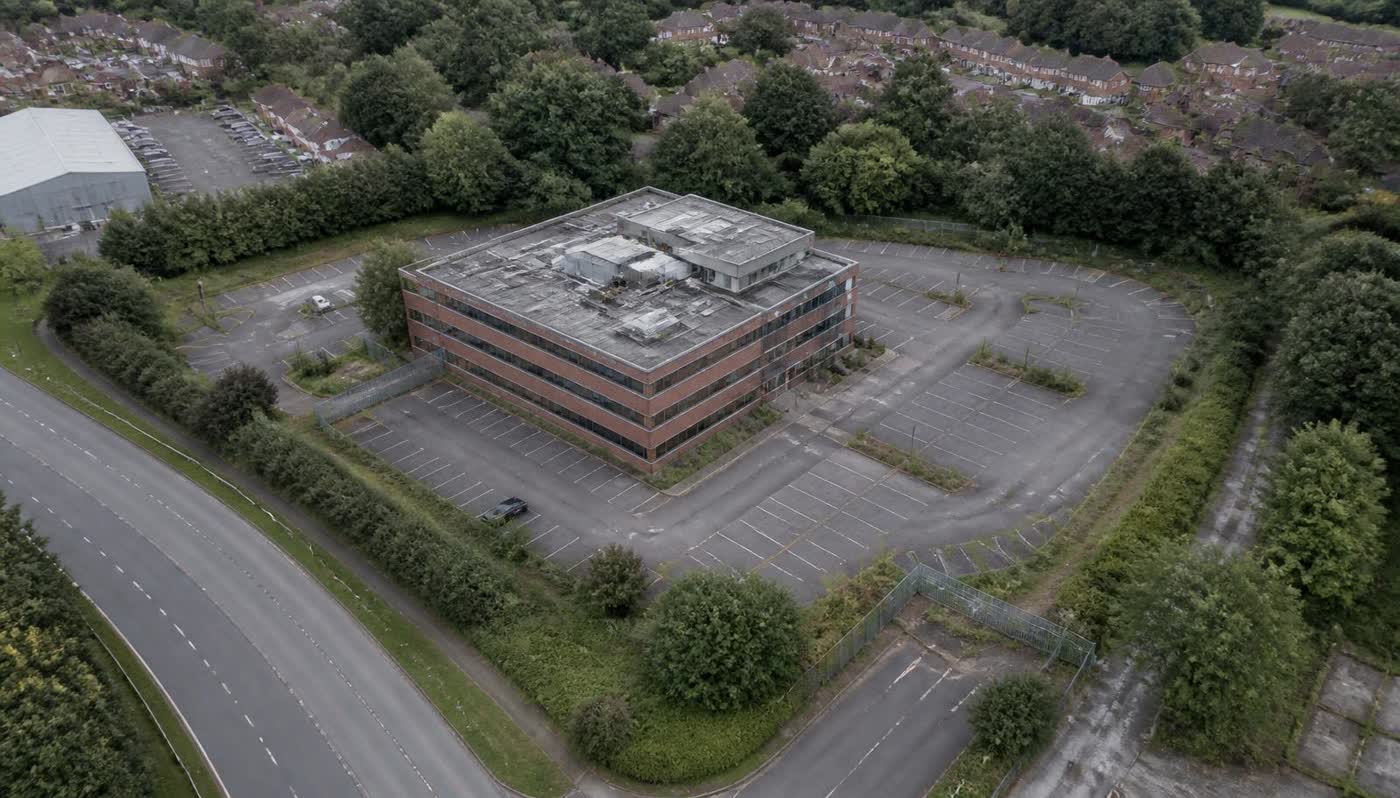
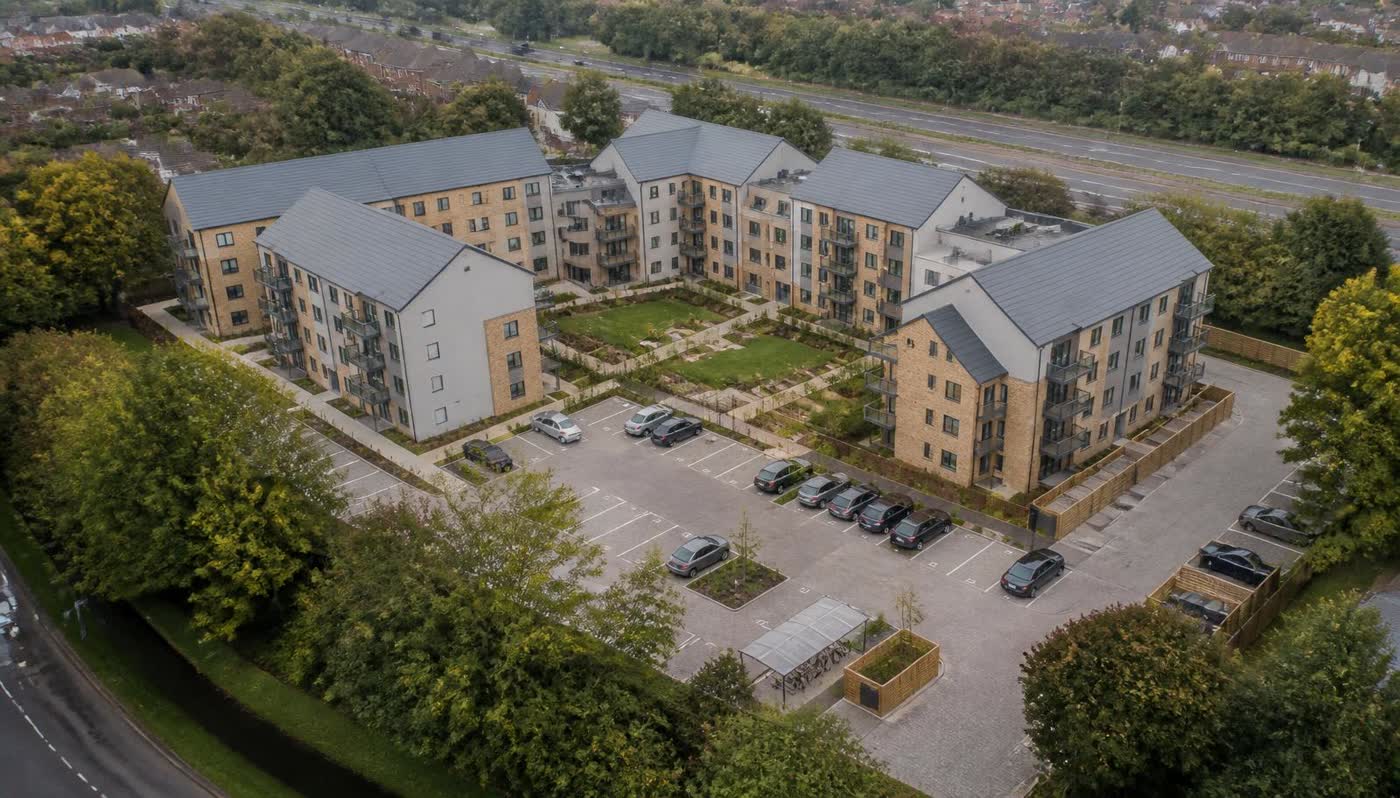 As it stands
A dated suburban office building and its car park, redeveloped as apartment blocks around a courtyard.
For owners
You own the site.
The dirt can be worth more to a developer than the trade is to another operator. No board, no catalogue.
I own a siteWhere the plots come from
Most of the good ones are never marketed.
Land that suits development is usually owned by someone who has not thought about selling it. So we don’t wait for listings. We go and ask.
Your brief becomes a target set
Geography, site size, use class, tenure, condition. We turn it into a defined universe of sites and the people behind them, rather than a saved search on a portal everyone else is watching.
Two routes to the same door
Where the register shows a company as the proprietor, we know who owns the site before we write, and we say so. Where it doesn’t — and a lot of small commercial property is held personally — we work from Companies House to the business and its directors, and we ask whether they hold the freehold rather than assuming it. Two different letters, because they are two different situations.
We approach directly, at our pace, in our name
A short, plain, value-first approach — never a “would you consider selling” cold pitch. Where the record is out of date, we ask to be told and we close the file. Volume is deliberately capped so every approach reads as a letter, not a campaign.
This is the same sourcing engine that runs across every My Best Solutions brand. It was built once, hardened once, and pointed at a new market each time. FindThePlot is that engine pointed at land.
Sell the business, sell the site, or both.
FindThePlot sits alongside MyBusinessAcquisitions, and that is not a marketing arrangement — it is why the approach works. An owner with a freehold has two exits: the trade as a going concern, or the title to a developer. Most have only ever been offered the first. We can run either, which is why the conversation gets started at all.
The engine
One engine, pointed at land
FindThePlot is a division of My Best Solutions Limited, the same group behind MyBusinessAcquisitions.com. The two sit side by side because the work underneath is the same: define what a buyer wants precisely, then go and find it before it reaches an open market.
What differs is the subject. A business search reads accounts and owner intentions. A land search reads use class, tenure, planning history and constraint layers — and, on the register route, the corporate proprietor on the title. Where the register does not show one, we read the business and its directors from Companies House and ask whether they hold the freehold, rather than assuming they do.
We do not hold a portfolio. We do not have sites waiting to be allocated to whoever calls first. The search starts when the brief lands.
How it is set up
- 14-day first look
- When a site fits your brief, you get it first and you get 14 days on it before it goes anywhere else.
- Written brief
- The search answers to the brief you write, in your words. We read every brief and reply either way.
- Fees
- A campaign fee of £3,000 to run the brief for three months, credited in full against the 2% introduction fee if you buy a site we introduce. What a campaign buys.
First look
You see it first, on your own.
Every site we surface goes to one developer at a time. Not a shortlist, not a bidding round. You get the building, the ownership position as we understand it, and the owner’s response before anyone else sees it.
You hold it for 14 days. Long enough to visit, check the planning history and run your numbers. If you pass, it moves on.
First refusal follows the order briefs were taken. If someone else is already briefed on your patch, they see it before you do. That is the whole reason to be early.
Tell us the area you would take and we will confirm where you sit.
Free tools
Two tools we built for our own search, opened up
No sign-up, no email, no gate on the result. Use them on a building that has nothing to do with us.
Class MA Checker
Works a building through every paragraph of Class MA of the GPDO — the eligibility bars in MA.1 first, then the nine prior-approval matters in MA.2(2) — and shows you the working, test by test, with the statutory wording next to each one.
Open the checkerSite Snapshot
Two indicative numbers — as it stands, and with consent — built only from figures you enter and can change on screen. Every assumption is printed next to the result. No hidden dataset.
Open Site SnapshotNext step
Write the area you would actually take
That one line does more work than anything else in the brief. Start there and fill in the rest as far as you can.
Send a brief